Guilt and Boundaries
Therapy in NYC
For First-generation Latinas who struggle to say “no”
Does this sound familiar?
You’re home, settling in after a long work day.
Your mom calls — your cousin needs help completing a form.
This is a different kind of work that follows you when you least expect it.
You need a break, but setting a boundary fills you with guilt.
You grit your teeth and respond in a monotone:
“Ok. Tell her to meet me on Saturday.”
You feel like you’ve just abandoned yourself to keep the peace — and your reputation.
You love your family, but sometimes you feel like a resource.
The guilt you feel makes it so hard to say “no.”
You wonder: “Why does saying ‘no’ make me feel like a bad daughter?”
This is a common experience among first-generation Latinas in New York City.
Imagine this:
Saying “no” and not spending the whole day second-guessing yourself.
Making decisions based on what you need, not what others expect.
No longer feeling responsible for other people’s moods.
Showing up in your relationships more authentically.
Caring deeply about your family and friends, without abandoning yourself to please them.
Feeling more clear, confident and steady in who you are.
Guilt and Boundaries Therapy in NYC can help
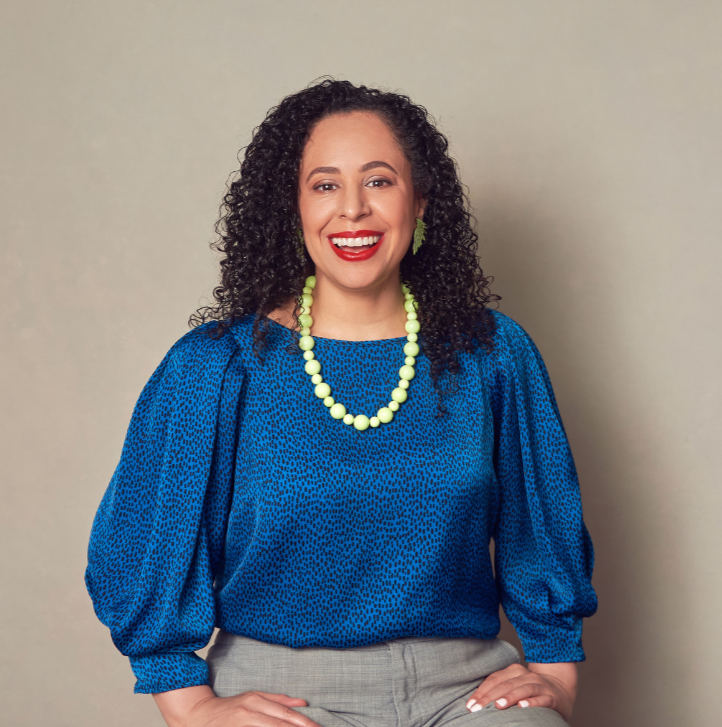
I’m Monica, a bilingual licensed clinical social worker in New York City who works with Latinas who struggle with guilt and setting boundaries.
Many of my clients were raised to be loyal, self-sacrificing and agreeable.
If you’re like them, you learned early on that being “good” meant always being available.
You became the family problem solver, but no one taught you how to prioritize yourself.
Now, saying “no” feels like a betrayal.
In our work together, we go deep.
We explore how and why guilt shows up in your life. I help you unlearn messages you absorbed so that you can turn down the volume on your guilt.
You’ll learn to take care of yourself without losing your connection to your loved ones.

Therapy for guilt and boundaries can help you take loving care of yourself
This work isn’t about being mean. It’s about loving others without sacrificing yourself.
Therapy will help you:
Understand why your guilt feels so powerful, even when you haven’t done anything wrong.
Discover how you learned to feel guilty.
Set boundaries that are aligned with your values.
Stop second-guessing yourself.
Tolerate the discomfort of saying “no.”
Separate love from obligation so you can show up as you really are, without the mask.

What to expect from guilt and boundaries therapy in NYC
I don’t just address your guilt.
I help you understand it so that you can make clearer decisions about what’s right for you.
This work isn’t just about saying “no” — it’s about freeing you from years of conditioning and unspoken expectations.
My approach is deeply cultural. It’s shaped by my clinical training and experience as a Latina.
I understand how deeply rooted guilt can be, especially for first-generation Latinas. I also respect your culture — it’s shaped you in important ways.
Clients often say that:
They finally feel understood
They feel relieved to talk about things they’ve kept hidden
They feel less alone
I won’t push you to set boundaries that don’t feel right. We’ll move at a rhythm that respects your growth and your reality.

Contact me - Weekends available
Here’s what we’ll do together
Therapy with me is collaborative, practical and focused on meaningful change.
We work on:
Understanding your patterns
We identify where you feel guilt the most — family, work, relationships — and what triggers it.
Identifying the messages you learned
We explore how your upbringing, culture and experience shaped how you feel about responsibility and boundaries.
Building a new relationship to boundaries
We practice how to communicate boundaries, tolerate discomfort and apply your new skills to real life situations.
Reflect
As you make these changes, we’ll talk about what comes up for you so that you feel supported.
You might not call it guilt,
but it still affects you.
You might not think you have a problem with guilt.
Instead, you might say:
I don’t want to let people down.
I feel bad saying “no.”
I don’t want them to get mad at me.
Underneath these statements is often an over-responsibility for other people at your own expense.
If this sounds familiar, you’re not alone.
You don’t have to keep struggling with this on your own.
Guilt and Boundaries Therapy in NYC can help you break the cycle of guilt and build a new approach that feels more balanced, authentic and sustainable.
To learn more, visit my blog post on guilt and boundaries.
FAQs
Frequently asked questions
-
If setting boundaries makes you feel guilty or anxious, you’re not alone.
This is especially common among people who grew up being responsible for others. If you’re like them, you might fear disappointing people or appearing selfish.
In guilt and boundaries therapy in NYC, we’ll explore where you learned these patterns and how they affect your life, including your relationships and work.
We’ll practice setting boundaries in a way that respects your needs and your desire to remain connected with your loved ones.
You’ll learn that boundaries aren’t designed to hurt people’s feelings.
Instead, they protect your energy while creating healthier relationships. They allow you to show up as you really are, without the resentment.
-
Many first-generation Latinas often feel guilty when they set boundaries. They worry about disappointing others, being seen as selfish or causing conflict.
All of these feelings are common if you didn’t grow up with healthy boundaries.
Setting boundaries is a skill that requires practice. Feeling guilty doesn’t mean you’ve done something wrong. It means you’re doing something new.
In guilt and boundaries therapy in NYC, we’ll examine where the belief that you could never say “no” came from.
You’ll create boundaries that respect your needs and preserve your relationships.
With practice, you’ll stop feeling that you’re doing something wrong. Instead, setting boundaries will feel like a healthy form of self-respect and communication.
-
Yes. People-pleasing is about more than wanting people to like you.
It’s often a survival strategy that you learned growing up.
People-pleasing can be a way of avoiding conflict or keeping the peace. The problem is that this puts everyone’s needs ahead of your own.
Guilt and boundaries therapy in NYC can help you understand why you learned to please others at your expense.
You’ll learn to acknowledge your needs, tolerate the discomfort that can come from saying “no” and build relationships based on honesty, not obligation.
-
For many first-generation Latinas who grew up as the family problem-solver, saying “no” to family can be especially difficult — particularly in families that emphasize loyalty, sacrifice and obedience.
You may know that you need to set a boundary, but saying “no” can bring up guilt, anxiety or fear of offending your loved ones.
In guilt and boundaries therapy in NYC, we explore your feelings around taking care of yourself and others.
The goal is not to reject your family, but to help you honor yourself as much as your family.
-
Many first-generation Latinas learn early on that being dependable, accommodating or self-sacrificing is how they feel loved and valued.
As adults, they struggle to prioritize their needs and feel guilty for disappointing others.
Guilt and boundaries therapy in NYC can help you understand where you learned these patterns.
You’ll learn to care about your loved ones without abandoning your own needs. You don’t have to make everyone happy to be a good daughter.
-
Therapy can help you demystify what boundaries are.
Boundaries are not about rejecting people or being selfish. They’re about knowing your limits and communicating them clearly so that you can be yourself, without the resentment.
In guilt and boundaries therapy in NYC, we examine the moments when you struggle to express yourself.
We’ll explore your guilt and anxiety and practice expressing your needs with confidence and compassion.
You’ll learn that caring about other people doesn’t require sacrificing your needs.
Find your voice.
Start thriving.
Find your voice. Start thriving.